
This article was originally posted to Facebook in the Windsor California Community Group on January 11, 2025.
A message from JB Leep, Windsor Town Councilmember, District 3
I’ve been working hard to understand California’s housing laws and how they affect Windsor. Recently, I sat down with a concerned resident, and asked Town Manager Jon Davis, and Director of Community Development Patrick Streeter to talk through these issues. What became clear during our conversation is that many residents simply don’t realize how restrictive and binding these state laws really are. After about 30 minutes of discussion, I watched it dawn on this resident just how little control we actually have at the local level. It helped him understand the constraints we’re working within.
Let me be clear: I love Windsor’s small-town character too, just like you. I am not in cahoots with developers or have any personal financial interest in these matters. Monitoring development is one reason I chose to serve on the Town Council – to protect and preserve what makes our community special. Where we do have control, I’m working hard to maintain that character in the rest of our town. But when it comes to these specific housing developments, state law has tied our hands in ways that many residents don’t yet understand.
At the end of this post is a link to a video you can watch on the laws governing Affordable Housing, and a copy of the associated PowerPoint presentation. It’s a lot of material, so I realize it is difficult to absorb all of it.
There are many laws, such as the Housing Accountability Act, Density Bonus Law, and related housing streamlining statutes, and a thing called “Builder’s Remedy” that control what we have do with respect to number of units required to be build overall, what the State can do to punish us if we don’t cooperate, and the rules governing parking spaces and almost every aspect of how affordable housing developments turn out.
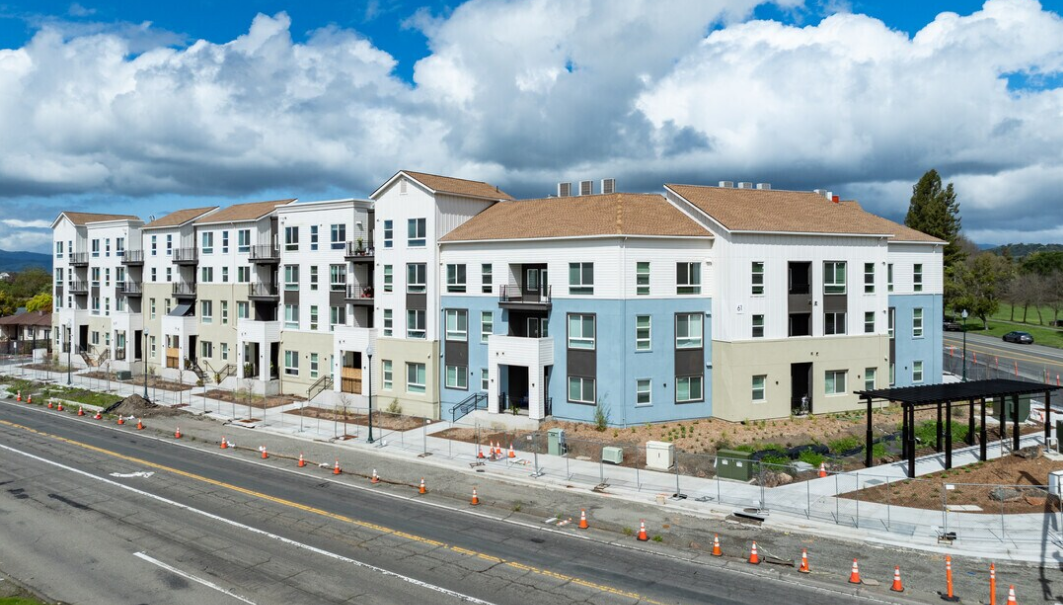
I want to share what I’ve learned with all of you, because when you see the Town Council, Planning Commission, or Planning Department approve a project you don’t like, it’s not because we agree with it or aren’t listening to your concerns. It’s because California law has removed most of our ability to say no.
Over the past several years, the state legislature has passed numerous laws designed to force cities to build more housing. There just aren’t enough places for people to live, and certainly not enough that are affordable to many residents. The laws go deep into researching how much the average family or living group makes in income, and how much they spend on their housing and utilities. There are guidelines and rules in place that define how many houses of what price range and of what general size every city must create.
These laws strictly limit what we as a Town can and cannot consider when reviewing most projects. This applies to more or less all cities in California. For example, we can only enforce “objective” standards – measurable things like height limits, setbacks, and density numbers. We cannot consider “subjective” concerns like whether a building fits the neighborhood character, looks too large, or changes the feel of our community.
Here’s the key point: if a project meets the objective standards we have established, we must approve it. Almost every time, we can only deny a project if we can prove it creates a specific public health or safety threat that cannot be fixed – an extremely high bar that’s almost impossible to meet. Concerns about parking overflow, traffic, or building appearance typically don’t qualify as legal reasons to deny.
When developers include affordable housing units in their projects, they get even more advantages: automatic increases in allowed density, reduced parking requirements, waivers from many development standards, and fast-track approval timelines. Some projects bypass environmental review entirely. Yes, we don’t like it!
What happens if we try to fight this? The financial penalties are severe. If we improperly deny a project and lose in court (which cities almost always do), we could face fines of up to $10,000 per housing unit – or $20,000 per unit for affordable projects. For a typical 100-unit project, that’s $1-3 million in penalties and legal fees to the Town. With Windsor’s annual budget around $25 million, a single bad decision could cost us 4-12% of our entire budget – money that would otherwise go to police, parks, roads, and services you depend on.
Huntington Beach tried to fight these laws, arguing their charter city status exempted them from state housing mandates. They refused to produce their required housing plan for over four years. California sued them in 2023, and the courts ruled against them repeatedly. Now they’re under court order to comply by January 2026, and until then, they have only limited authority over their own permitting and zoning decisions. The legal framework is clear, and courts consistently rule against cities that try to resist.
Another thing that residents don’t know about is that before a project gets to the planning or council approval stage, there is a lot of screening and work that happens, and there are many projects that are turned down far before the final process and you never hear about. Such matters as ensuring consistency with the General Plan and zoning ordinances and identifying projects that would have unmitigable environmental or health and safety impacts. Even within the state-mandated constraints we’re operating under, not everything automatically moves forward.
But still, many projects are approved that are not 100% what we want. I know this is frustrating. Many of you moved to Windsor or continue to stay here because of what we all call “Windsor’s small-town character,” and you’re watching that change rapidly. Your concerns about parking, building scale, and neighborhood impacts are completely valid and understandable. But the reality is that state law has essentially turned local planning into a compliance exercise – if developers check the boxes, we must approve, regardless of community opposition.
This is why I’m sharing this information. When you’re upset about a new development, please understand that your Town Council is bound by these state laws. We’re doing our best to craft the strongest objective standards we can within these legal constraints, but our hands are largely tied. Windsor works actively through the California League of Cities (CalCities) to advocate for changes to these laws, and if you feel strongly about this issue, I encourage you to reach out to our state legislators as well – your voice matters in Sacramento.
I’ve attached links to a detailed presentation our town attorney’s office gave in 2023 explaining these laws in depth. I encourage you to watch it – it’s about an hour, but it will help you understand exactly what constraints we’re operating under.
I am happy to answer questions in the comments. And I will follow up with a summary of new issues raised.
Best regards to you all – JB Leep – Windsor Councilmember – District 3
Link to video: https://windsor-ca.granicus.com/player/clip/1568…
Link to PowerPoint: https://legistarweb-production.s3.amazonaws.com/…/13.1…
JB Leep – Windsor Town Councilmember District 3